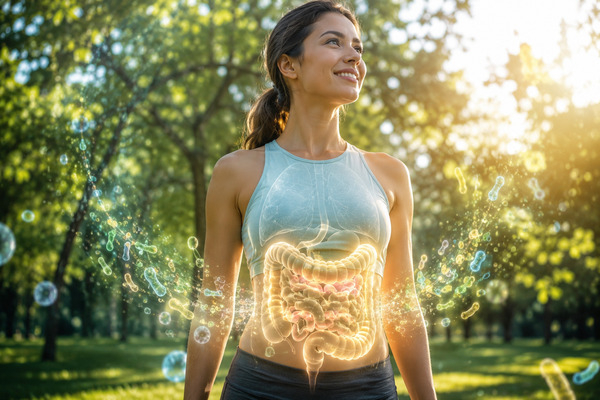
When most people think of immunity, they picture white blood cells, vitamin C, or the flu season. However, few realize that a significant portion of the body's defenses resides in the intestines. This is where the gut-associated lymphoid tissue, or GALT, is located - representing one of the human body's most crucial lines of defense. Situated along the entire intestinal tract, the GALT comprises lymphatic tissue that differs from the rest of the intestinal mucosa by being connected to lymph nodes, which is vital for enhancing the immune response to antigens. Every single day, it comes into contact with a massive volume of bacteria, viruses, toxins, and other foreign substances, deciding what to protect the body from and what poses a threat.
The gut as the center of immunity
The intestines are far more than just a digestive organ. Their surface forms an extensive barrier between the external environment and the internal organism. It is estimated that up to 80% of the body's immune cells reside right within the intestinal mucosa. This is why this part of the human body is literally considered the center of immunity. The GALT includes specialized immune structures, lymphatic tissue, protective cells, and mechanisms that work together to monitor intestinal contents and respond to potential threats.
The ultimate goal of the gut immune system is to maintain balance (homeostasis). Its job is to support beneficial bacteria and nutrients while swiftly recognizing and eliminating harmful microorganisms or toxins. If this balance fails, it can result in digestive discomfort, more frequent infections, weakened immunity, or overall increased sensitivity of the body.
The microbiome and its impact on defense mechanisms
A major component of gut immunity is the gut microbiome - a collection of billions of microorganisms that naturally inhabit the digestive tract. Today, this specific microsystem is considered a standalone organ, with an estimated total weight of up to 1.5 kg. A healthy microbiome supports the proper function of the GALT, participates in the production of certain vitamins, and helps shield the body from harmful pathogens.
Disrupting this microbial balance can weaken the body's defense mechanisms. Negative factors include a poor diet, stress, lack of sleep, or recent infections. Antibiotic use is particularly harsh on the gut microbiome. The resulting consequences can include irritation of the intestinal mucosa, increased gut permeability, or greater susceptibility to infectious diseases.
How to recognize that your gut needs support
Many factors throughout life can throw the gut microbiome out of balance. However, gut immunity doesn't just manifest through digestion. A long-term weakened gut system shows up as fatigue, recurrent viral infections, bloating, diarrhea, or a general feeling of discomfort after eating. The body is an interconnected whole, and the condition of the gut significantly dictates overall health.
The intestinal barrier also plays a vital role. If it becomes compromised, harmful substances and toxins enter the body more easily, overburdening the immune system. Therefore, it is important to care not only for digestion itself but also for the protection of the internal gut environment.
Supporting Gut Immunity in Daily Life
If we want to maintain robust defenses, vitality, and harmonious digestion, we need to care for the gut microbiome systematically. What core principles should we integrate into our daily routine?
- A varied diet rich in fiber and nutrients: The foundation of a healthy microbiome is diversity. Provide your body with plenty of soluble and insoluble fiber from whole grains, legumes, vegetables, and fruit. Fiber acts as a prebiotic - essentially fuel for beneficial gut bacteria.
- A regular dose of fermented foods: Include natural probiotics in your diet, such as fermented dairy products (kefir, yogurt), sauerkraut, kimchi, or pickled cucumbers. These foods support the right ratio of friendly microorganisms.
- Optimal hydration: Plenty of clean, still water or herbal teas is essential for proper intestinal movement (peristalsis) and the smooth elimination of toxic substances from the body.
- Active movement and regeneration: Regular physical activity has been proven to stimulate gut motility and promote microbiome diversity. Equally important, however, is quality, uninterrupted sleep, during which the mucous membranes regenerate.
- Stress management: Chronic psychological pressure demonstrably disrupts the intestinal barrier and alters the composition of the microflora. Dedicate time to regular relaxation, meditation, or walks in nature.
During periods of increased stress, dietary lapses, traveling, or after overcoming gut issues, it is highly beneficial to support the body's natural cleansing mechanisms. An intestinal adsorbent plays an important role in restoring this balance.
Enterosgel®: Support for the intestinal barrier and comfort
Enterosgel® is an intestinal adsorbent that binds undesirable substances, toxins, and certain harmful particles in the gut, removing them naturally from the body. It is not absorbed into the bloodstream and maintains the mechanical cleansing of the intestinal environment without disrupting the natural microflora. It serves as a helpful aid for irritable bowel syndrome with diarrhea (IBS-D), acute gut issues, travel-related problems, and situations where the body is exposed to increased strain. Thanks to its gentle mechanism of action, it can be used as part of routine care for digestive comfort and the support of the gut environment.
The Gut as the Foundation of Robust Immunity
Modern medicine increasingly confirms that gut health and the quality of our immunity are deeply intertwined. The gut-associated lymphoid tissue (GALT) represents a sophisticated protective mechanism that shields the body from external threats every single day. Caring for your gut is therefore not just a matter of digestion, but a vital component of overall vitality and defense. Supporting a healthy microbiome, maintaining a balanced lifestyle, and gently caring for the intestinal environment can contribute to a better-functioning immune system and greater everyday comfort.